

Cart
0
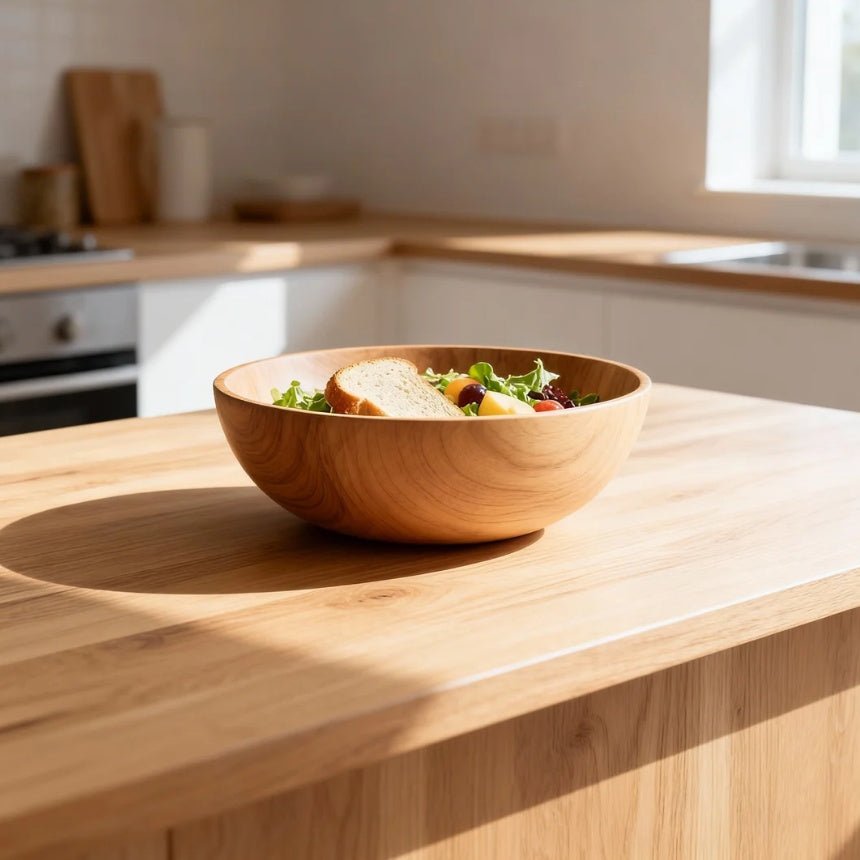
The short answer is yes—when properly made and cared for, wooden bowls are safe, hygienic, and even beneficial for everyday food use. Despite the rise of high-tech synthetics, natural wood remains one of the most trusted materials in professional and home kitchens worldwide.
In this comprehensive article, we’ll break down the science of wood porosity, debunk common hygiene myths, and share the best practices for maintaining wooden bowls. Whether you are serving a fresh garden salad or a warm grain bowl, understanding your tools will help you create a healthier, plastic-free kitchen.

01 Why Wooden Bowls Often Get a Bad Reputation
Wood is often misunderstood as unhygienic because it is porous, while plastic and stainless steel appear smooth and non-absorbent to the naked eye. This has led to the common assumption that wood "traps" bacteria, moisture, and old food particles within its grain, leading to mold or contamination.
However, modern microbiology and long-term kitchen studies show that porosity does not equal danger. In fact, in many controlled tests, wood consistently performs better than plastic in terms of bacterial management. The "danger" of wood is largely a myth born from the era of industrial plastics, but science is now reclaiming the reputation of this ancient material.
02 The Science of Hygiene: Why Wood is Naturally Safe
1. Natural Antibacterial Properties
Wood is not a passive material; it contains natural compounds designed to protect the tree from fungi and bacteria in the wild. These properties remain in the wood long after it has been crafted into a bowl. When bacteria enter the surface of a hardwood bowl, they are drawn into the interior by capillary action. Once trapped inside the wood fibers, the bacteria are deprived of the oxygen and moisture they need to survive, causing them to die off rather than multiply.
2. Wood vs. Plastic: The Scratch Test
Studies, including famous research by the University of Wisconsin, have shown that bacteria survive longer on plastic surfaces than on wood. This is especially true as tools age.
-
Plastic: When plastic develops knife marks and micro-scratches, these crevices become "safe havens" for bacteria that dishwashers often fail to reach.
-
Wood: Because wood is breathable and contains natural tannins, it actively works to neutralize pathogens that land on its surface.
3. Breathability and Moisture Evaporation
Unlike plastic, which traps moisture underneath any residue, wood allows moisture to evaporate. When you towel-dry and air-dry a wooden bowl, you are removing the damp environment that bacteria require to thrive. This breathable quality is why wooden kitchenware has remained a staple in human civilization for thousands of years.
03 Comparing Materials: Wooden Bowls vs. Plastic Bowls
| Feature | Wooden Bowls | Plastic Bowls |
|---|---|---|
| Bacterial resistance | Naturally antibacterial | Bacteria hide in scratches |
| Microplastics | None | Common over time |
| Heat resistance | Stable | Can warp |
| Environmental impact | Renewable | Petroleum‑based |
Plastic bowls may look clean, but once scratched, they can harbor bacteria far more easily than wood.

04 When Are Wooden Bowls Safe for Food?
Not every wooden bowl is meant for the dining table. To ensure hygiene, your bowls should meet these professional conditions:
-
Hardwood Construction: Only use bowls made from dense, food-safe hardwoods like Acacia, Maple, Beech, or Walnut. Softwoods like pine are too porous and resinous for food use.
-
Food-Safe Finish: Ensure the bowl is finished with food-grade mineral oil or beeswax. Avoid bowls finished with decorative lacquers or wood stains not intended for food contact.
-
Smooth Surface: A well-sanded surface prevents food from getting snagged in the grain, making cleaning much more effective.
05 How to Clean and Maintain Your Wooden Bowls
Proper care is the foundation of kitchen hygiene. If you follow these steps, your wooden bowls will stay sanitary for decades.
The Daily Cleaning Routine
-
Hand Wash Only: Use mild dish soap and warm water. Never put a wooden bowl in the dishwasher; the intense heat and chemicals will cause the wood to crack, creating gaps where bacteria can hide.
-
No Soaking: Never leave your bowls sitting in a sink of water.
-
Immediate Drying: Dry immediately with a clean towel, then let the bowl air-dry completely on its side before storing it in a cabinet.
Monthly Maintenance (The "Oiling" Ritual)
Every 4–6 weeks, apply a thin layer of food-grade mineral oil. This keeps the wood fibers supple and prevents them from drying out and cracking. A well-oiled bowl acts as a hydrophobic shield, repelling water and food juices.
06 Frequently Asked Questions (FAQ)
Q: Can I use wooden bowls for wet foods like soup? A: Yes, for serving. However, do not use them for long-term liquid storage. They are perfect for salads with dressings, pasta, and stews served immediately.
Q: Are they safe for raw meat? A: While wood is antimicrobial, we recommend dedicated tools for raw meat prep (like heavy-duty cutting boards). For bowls, it is best to stick to prepared meals, fruits, and grains.
Q: What if my wooden bowl starts to smell? A: You can easily deodorize wood by rubbing it with a cut lemon and coarse salt. This natural acid-abrasive combo neutralizes odors and deep-cleans the grain without harsh chemicals.
07 Why We Choose Wood at Oakory
At Oakory, our wooden bowls are more than just vessels—they are a commitment to a healthier lifestyle. We craft our pieces from responsibly sourced hardwoods, ensuring each bowl is smooth to the touch and finished with 100% food-safe materials.
We believe that kitchen tools should support healthier living by removing the risk of microplastics and chemical leaching. When you hold an Oakory bowl, you are holding a piece of nature that is designed to last a lifetime.

Final Verdict: Are Wooden Bowls Hygienic?
Yes. When made well and cared for properly, wooden bowls are one of the most hygienic, safe, and practical choices for your kitchen. They offer natural defense against bacteria, avoid the dangers of microplastics, and bring a sense of warmth and simplicity to everyday meals.
Less plastic. More nature. That’s the Oakory way.
👉 [Explore the Oakory Collection of Handcrafted Wooden Bowls] 👉 [Learn More About Our Sustainable Craftsmanship]

