

Cart
0
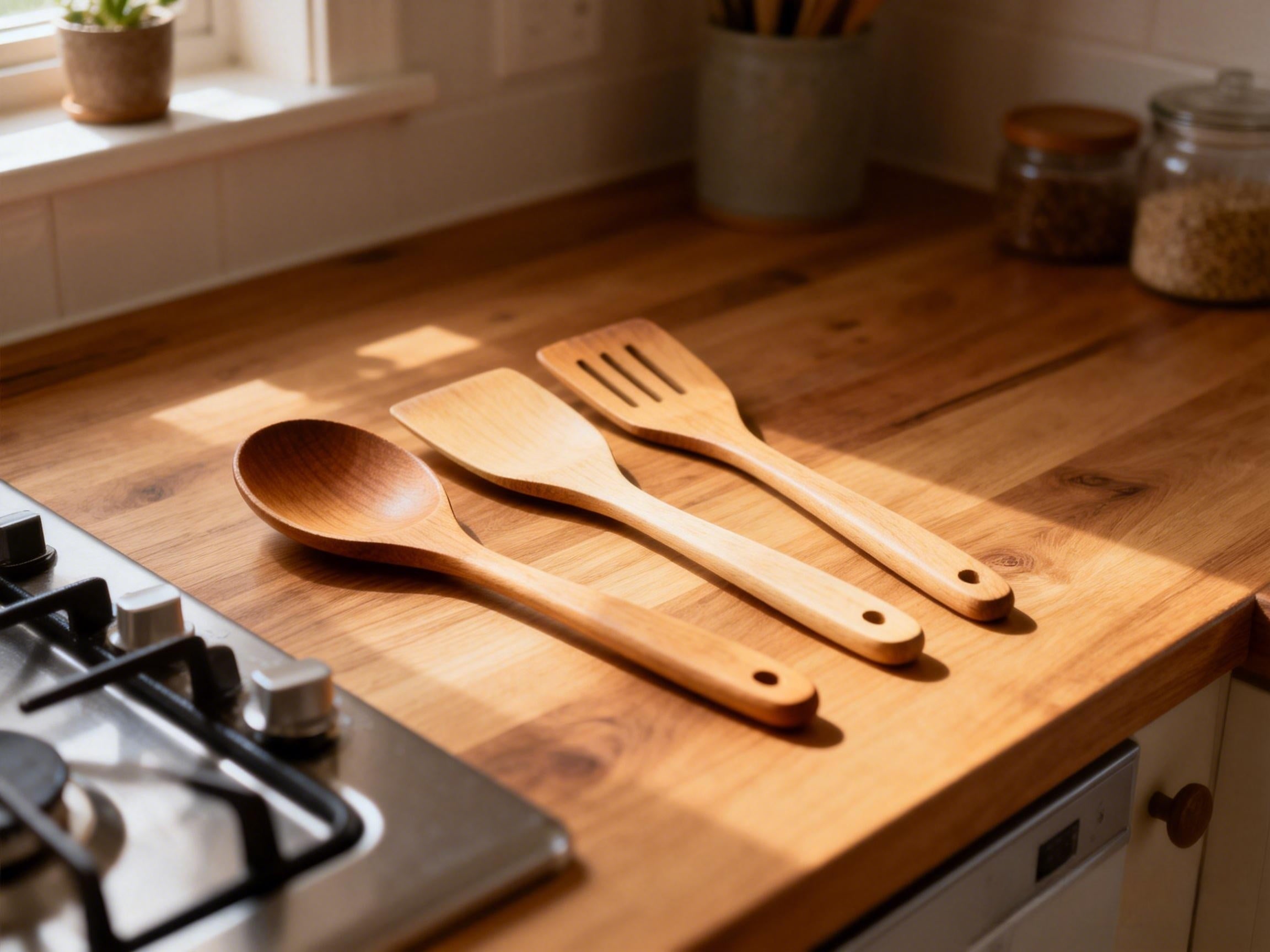
The good news is that cleaning wooden utensils is simple—once you know the right methods. In this comprehensive guide, you’ll learn safe, natural, and effective ways to clean wooden utensils, remove stubborn odors, prevent bacterial growth, and significantly extend their lifespan for everyday use.
Unlike plastic or metal, wood is a "living" organic material. It breathes, expands, and contracts. Mastering the art of cleaning wood isn't just about aesthetics; it's about maintaining a professional-grade, hygienic kitchen environment.
01 Why Proper Cleaning Matters for Wooden Utensils
Wood is a natural, porous material composed of cellulose fibers. This unique structure means it behaves differently from synthetic alternatives. Proper cleaning is essential to:
-
Prevent Odor Buildup: Porous grain can trap aromatic molecules from garlic, onions, and spices if not cleaned correctly.
-
Avoid Moisture Damage: Water trapped inside wood fibers can lead to structural failure, such as warping or splitting.
-
Maintain Food Safety: Wood has natural antimicrobial properties, but these only function when the surface is kept clean and dry.
-
Extend Lifespan: A well-cared-for wooden spoon can last for decades, becoming a beloved heirloom in your kitchen.
02 Step-by-Step: How to Clean Wooden Utensils After Cooking
1. Wash Immediately After Use
The most common mistake is leaving wooden tools in the sink or on a plate until the meal is over.
-
The Golden Rule: Rinse wooden utensils under warm (not hot) water as soon as you finish stirring or serving.
-
Soap Choice: Use a mild, pH-neutral dish soap. Harsh degreasers can strip the natural lignins and oils that hold the wood fibers together.
-
Technique: Gently scrub with a soft sponge or a silicone brush. Follow the direction of the wood grain to ensure you’re lifting food particles out of the pores.
2. The Danger of Soaking
⚠️ Never let wooden utensils sit in water or soak in the sink. Soaking is the fastest way to ruin high-quality wood. Because of capillary action, the wood will pull water deep into its core. This causes the cells to swell rapidly. When the wood eventually dries, it shrinks unevenly, leading to:
-
Deep Cracks: Where bacteria can later hide.
-
Warping: Making the tool uncomfortable to hold.
-
Rough Surfaces: Known as "raised grain," which feels fuzzy to the touch.
3. Drying: The Most Overlooked Step
Bacteria thrive in damp environments. To ensure your tools are hygienic:
-
Pat Dry: Use a clean kitchen towel to remove all visible surface moisture immediately after rinsing.
-
Air-Dry Upright: Stand your utensils in a jar or drying rack with the heads pointing up. This ensures maximum airflow around all surfaces.
-
No Flat Drying: Never lay a wet wooden spoon flat on a countertop, as moisture can get trapped underneath, leading to mold.

03 Deep Cleaning: Removing Odors and Stains Naturally
Sometimes, even with daily washing, strong smells from pungent ingredients like cumin or fish can linger. You don't need harsh chemicals to fix this; nature provides the best solutions.
The Baking Soda Method (For Odors)
Baking soda is a natural visual and olfactory deodorizer.
-
Make a paste with baking soda and a little water.
-
Apply it to the wooden utensil and let it sit for 15 minutes.
-
Rinse and dry. The soda neutralizes acidic odors deep within the grain.
The Lemon & Salt Method (For Stains and Bacteria)
This is a classic "deep-clean" ritual for wooden boards and spoons.
-
Sprinkle coarse sea salt over the wood.
-
Use half a lemon as a scrubber, squeezing the juice as you go.
-
The salt acts as a gentle abrasive to lift stains, while the lemon's acidity kills surface bacteria and leaves a fresh scent.

04 Can You Put Wooden Utensils in the Dishwasher?
Short answer: No. The dishwasher is a hostile environment for wood. It exposes your tools to:
-
High-Heat Cycles: Reaching temperatures that "cook" the wood fibers, making them brittle.
-
Prolonged Humidity: The drying cycle keeps the wood in a steam-filled box for an hour or more.
-
Abrasive Detergents: Dishwasher tabs often contain bleach and salts that strip wood of its protective oils.
05 Maintenance: When and How to Oil
Oiling is like "skincare" for your kitchen tools. It creates a hydrophobic barrier that repels water and prevents food juices from soaking in.
-
When to Oil: Once every 3–4 weeks, or whenever the wood looks pale, "chalky," or feels rough.
-
What to Use: Use only food-grade mineral oil or a beeswax conditioner. Avoid vegetable oils (like olive or canola), as they will eventually go rancid and smell sour.
-
How to Apply: Apply a generous amount to a dry cloth and rub it into the grain. Let it absorb overnight, then buff off any excess the next morning.

06 Frequently Asked Questions (FAQ)
Q: My wooden spoon feels "fuzzy" after washing. What happened? A: This is called "raised grain." It happens when water causes the cut ends of wood fibers to stand up. Simply wait for it to dry, sand it lightly with 320-grit sandpaper, and apply mineral oil. It will be smooth as silk again.
Q: Are wooden utensils safe for raw meat? A: Yes, provided they are cleaned immediately with soap and warm water. Wood’s natural tannins have antimicrobial properties that are very effective against common food-borne pathogens.
Q: What if I see mold on my wooden utensil? A: If the mold is only on the surface, you can scrub it with white vinegar and sand it down. However, if the mold has penetrated deep into a crack, it is safer to replace the tool.
Final Thoughts: A Lifetime of Cooking
Learning how to clean wooden utensils after cooking is the secret to enjoying their beauty, safety, and incredible durability for years. With simple daily care, natural cleaning methods, and occasional oiling, your wooden collection will remain:
-
Hygienic and Safe
-
Naturally Antibacterial
-
Gentle on Your Expensive Cookware
-
Beautifully Aged
Ready to upgrade your kitchen kit? 👉 [Explore the Oakory Collection of Sustainable Wooden Utensils] 👉 [Shop Our Food-Grade Wood Care Kits]

