

Cart
0
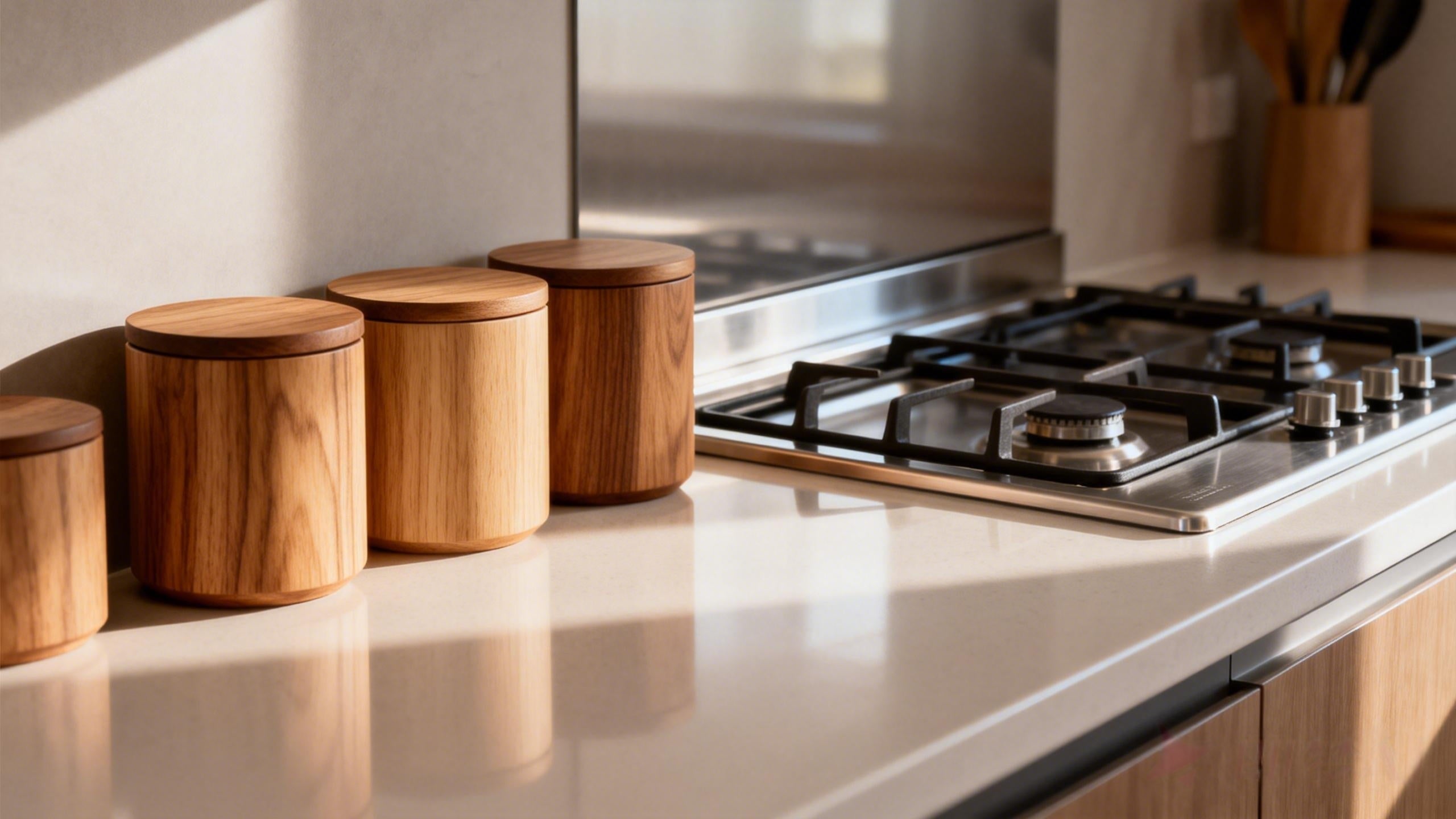
Wooden kitchen storage has been a staple in homes for centuries, and for good reason. In an era of mass-produced plastic and cold industrial metals, the return to natural timber represents a shift toward "Warm Modernism." Its natural warmth, rugged durability, and timeless design make it not only a functional necessity but also a sophisticated aesthetic choice for any culinary space.
But why exactly does wood outperform modern synthetics in a high-traffic kitchen? In this guide, we explore the science of food preservation, the psychology of an organized home, and how to choose the right wooden storage solutions for your lifestyle.
01 Why Wooden Storage Works Better: The Material Science
Wooden kitchen storage offers several structural advantages over plastic or metal alternatives that many homeowners overlook.
1. Natural Thermal Insulation
Wood is a cellular material, meaning it is filled with microscopic air pockets. These act as a natural insulator, helping to keep the contents of a jar at a stable temperature despite the fluctuations of a hot kitchen. This is critical for storing dry goods like heirloom grains, artisanal pasta, and delicate spices, which can lose their nutritional value if exposed to rapid temperature changes.
2. Light Protection
While glass jars look beautiful, they allow UV light to penetrate and degrade the essential oils in your spices and coffee. Solid wooden containers provide a total light block, ensuring that your expensive saffron or dark roast coffee beans stay potent for significantly longer.
3. Sustainability and the "Plastic-Free" Movement
Compared to plastic, wooden storage is a win for the planet.
-
Biodegradable: At the end of its (very long) life, wood returns to the earth.
-
Non-Toxic: There is no risk of BPA, phthalates, or microplastics leaching into your flour or sugar.
-
Renewable: High-quality storage is often made from fast-growing, sustainable woods like Acacia, Bamboo, or Rubberwood.

02 Advanced Spice Storage: Preservation Meets Style
Organizing your spices in wooden containers is where practicality meets high-end design. Because spices are highly sensitive to their environment, the housing you choose matters.
Tips for Professional-Grade Spice Organization:
-
Uniformity for Mental Clarity: Using the same style of wooden jars creates a "visual rhythm." This reduces cognitive load when you are cooking, allowing you to find what you need by position and label instantly.
-
The "Eye-Level" Rule: Store your "Daily Seven" (the spices you use in almost every meal) at eye level on a wooden wall-mounted rack. Store seasonal or baking spices in a tiered drawer organizer.
-
Chalkboard vs. Engraving: For a minimalist look, use engraved wooden lids. For a dynamic kitchen, use chalkboard labels that allow you to swap contents as your cooking style evolves.

03 Airtight vs. Breathable: Knowing the Difference
One of the most common mistakes in kitchen organization is using the same type of container for every ingredient. Wood is uniquely versatile because it can be engineered for both "sealed" and "open" storage.
Airtight Wooden Canisters
Ideal for items sensitive to oxidation and moisture, such as:
-
Coffee Beans & Loose Leaf Tea: Prevents the loss of volatile aromas.
-
Fine Sugars & Salts: Stops clumping caused by kitchen humidity.
-
Grains: Keeps pantry pests out.
-
Look for canisters with a silicone gasket hidden under the wooden lid for a true airtight seal.
Breathable Wooden Crates and Bins
Perfect for root vegetables and "living" produce. Onions, garlic, and shallots release moisture and gases as they sit. If trapped in plastic, they will rot or sprout. Wooden slats allow for passive airflow, keeping these ingredients dry and dark—the two conditions they need to stay fresh for weeks.

04 Strategic Placement: Designing Your Workflow
The placement of your wooden storage defines the "flow" of your kitchen.
-
The Countertop Zone: Reserve this for high-use "anchor" items. A large wooden bread box or a set of three canisters (Flour, Sugar, Coffee) adds a structural focal point to your counter while keeping essentials within reach.
-
The Vertical Space: If you have a small kitchen, use wooden floating shelves. Displaying wooden jars vertically draws the eye upward, making the room feel larger and more organized.
-
Inside the "Dark Pantry": Use stackable wooden crates to categorize items by type (e.g., "Baking," "Snacks," "Breakfast"). Wood is sturdier than cardboard and won't crack like clear acrylic when loaded with heavy cans.
⚠️ Pro-Tip: Never place wooden storage directly above a stovetop or next to a dishwasher vent. The localized steam and heat can cause the wood to expand and contract too quickly, leading to cracks.

05 Maintenance: Protecting Your Investment
With proper care, a quality wooden canister can last for decades. Unlike plastic, which stains and absorbs odors, wood can be "refreshed."
-
Cleaning: Never submerge wooden storage in water. A simple wipe with a damp microfiber cloth is enough. For a deeper clean, use a solution of water and white vinegar.
-
The "Oiling" Ritual: Every 6 months, apply a thin layer of food-grade mineral oil. This keeps the wood fibers supple and prevents them from becoming brittle in dry climates.
-
Humidity Control: In very humid seasons, ensure your wooden containers aren't pressed directly against a cold backsplash wall, which can trap condensation.

06 Frequently Asked Questions (FAQ)
Q: Will wood absorb the smell of strong spices like cumin or curry? A: If the wood is properly finished and sealed, it won't. However, for extremely pungent spices, we recommend using a glass-lined wooden jar to get the aesthetic of wood with the scent-barrier of glass.
Q: Is bamboo as good as hardwood for storage? A: Bamboo is excellent for dry goods and is highly sustainable. Hardwoods like Acacia are slightly more durable and offer a richer grain for "statement" pieces on your countertop.
Q: How do I prevent pests in wooden bins? A: Ensure your dry-good containers have a tight-fitting lid with a gasket. For open bins (like for potatoes), keeping a few dried bay leaves inside can act as a natural deterrent for many common kitchen pests.
Conclusion: More Than Just a Container
Wooden kitchen storage is where sustainability meets soul. It transforms a utilitarian task—storing flour or organizing spices—into an opportunity for design and mindfulness. By choosing quality wooden pieces, you are investing in a cleaner, more efficient, and visually peaceful home.
Whether you are looking for a tiered spice display, a minimalist bread box, or handcrafted canisters, wood is the material that bridges the gap between the kitchens of the past and the sustainable homes of the future.
👉 [Explore the Oakory Collection of Wooden Spice Racks] 👉 [Shop Our Full Storage & Organization Series]

