

Cart
0
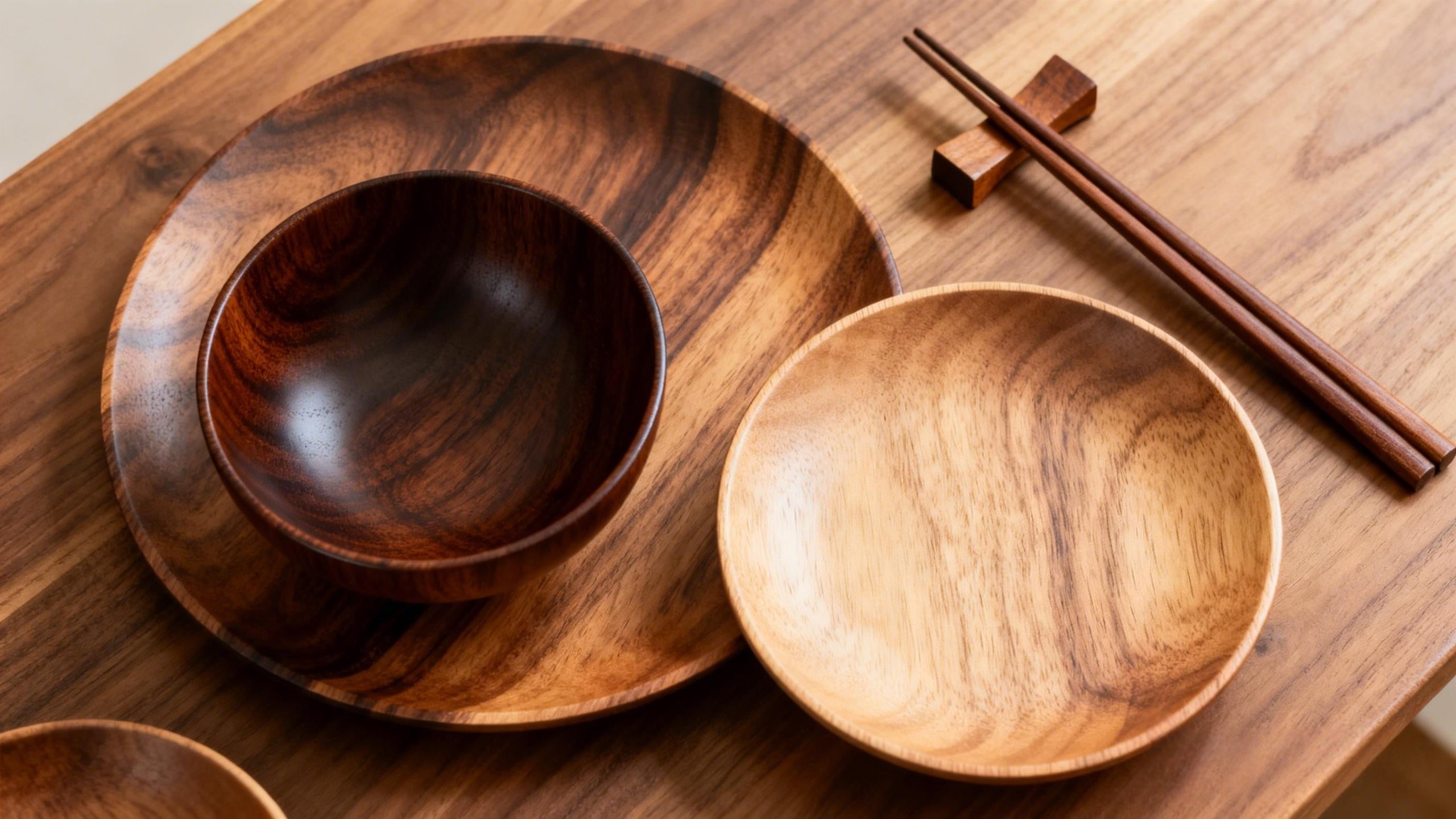
Wooden tableware has been a cornerstone of human dining traditions for centuries, spanning from the minimalist tea ceremonies of East Asia to the rustic farmhouse kitchens of Europe. Today, as we move away from disposable plastics and industrial synthetics, wood is making a massive comeback. Its combination of rugged functionality, organic beauty, and environmental friendliness makes it the perfect choice for modern everyday use.
But beyond the "look," why is wood superior? In this guide, we explore the science of wooden dining—covering everything from bacterial resistance to the psychological benefits of eating from natural surfaces.
01 Health & Safety: A Chemical-Free Dining Surface
One of the primary reasons wooden tableware is ideal for daily life is its inherent safety profile. In a world increasingly concerned with microplastics and endocrine disruptors, wood stands as a clean, inert alternative.
Non-Toxic and BPA-Free
Unlike plastic containers or cheap metal utensils, high-quality wooden tableware is naturally free from harmful chemicals like BPA, phthalates, or lead. When you serve hot soup in a wooden bowl, there is no risk of chemical "leaching"—the process where heat causes synthetic materials to release toxins into your food.
Gentle on the Body
Wooden spoons, bowls, and chopsticks offer a tactile softness that protects your health in subtle ways:
-
Dental Protection: Wood is softer than ceramic or stainless steel, significantly reducing the risk of chipping tooth enamel or irritating sensitive gums.
-
Thermal Insulation: Wood is a poor conductor of heat. This means a wooden bowl stays cool to the touch even when filled with boiling ramen, protecting your hands and lips from accidental burns.
The Antibacterial Mystery
Many believe that "porous" wood traps bacteria. However, studies by the University of Wisconsin have shown that hardwoods like maple and teak naturally inhibit bacterial growth. The wood fibers actually "wick" moisture away from bacteria, causing them to dry out and die, whereas bacteria can thrive and multiply in the deep scratches of old plastic plates.

02 The Psychology of the Dining Experience
Wooden tableware elevates the overall dining experience in ways that cold plastic or loud metal cannot replicate. It transforms a quick Tuesday night dinner into a mindful ritual.
Natural Warmth and Sensory Comfort
Wood has a "tactile warmth." Touching a wooden plate sends a signal to the brain that is calming and grounded. This is part of Biophilic Design—the concept that humans have an innate need to connect with nature. Incorporating wood into your daily meals can actually lower stress levels during dining.
The "Quiet" Kitchen
One of the most immediate benefits of switching to wood is the acoustic change. Unlike the clattering of metal forks on ceramic or the scraping of plastic, wooden tools produce a muted, soft sound. This makes the dining atmosphere quieter and more relaxing, encouraging better conversation and slower eating.
Portion Perception and Satisfaction
Interestingly, the visual weight and texture of wooden bowls tend to make food portions appear more generous and artisanal. This enhances psychological meal satisfaction, helping you feel "fuller" and more content with your meal.
03 Wooden Bowls & Chopsticks: A Deep Dive
Understanding the nuances of wooden tableware helps you curate a set that suits your family’s specific needs.
The Versatile Wooden Bowl
Wooden bowls are the workhorses of a sustainable kitchen.
-
Acacia & Teak: These are popular for their high oil content, making them naturally water-resistant and perfect for salads or pastas.
-
The Jujube Wood Tradition: Often used in East Asian tableware, jujube wood is incredibly lightweight yet harder than most oaks, making it perfect for daily rice or soup bowls.
-
Maintenance Tip: Always wash by hand. The high heat of a dishwasher will strip the natural oils and cause the wood to warp.
The Superior Grip of Wooden Chopsticks
If you eat with chopsticks daily, wood is the gold standard.
-
Non-Slip Surface: Unlike stainless steel chopsticks, which can be slippery, the natural grain of wood provides a superior grip on noodles and vegetables.
-
No Metallic Aftertaste: Wood is chemically neutral, ensuring that the only thing you taste is your food.

04 Sustainability: An Investment in the Future
Wooden tableware isn’t just beautiful; it’s a tangible vote for a healthier planet.
Renewable and Biodegradable
Most quality wooden utensils are made from sustainably harvested timber or bamboo (which is a rapidly renewable grass). Unlike plastic, which persists in landfills for 500+ years, wooden tableware is 100% biodegradable. At the end of its life—which could be 20 years away—it returns to the earth as compost.
Supporting Craftsmanship
By choosing wooden tableware, you are often supporting artisanal manufacturing over mass-produced factory goods. This promotes a "Slow Goods" economy that values quality over quantity.

05 Maintenance Checklist for Decades of Use
Wood is durable, but it requires a different kind of care than glass or metal. To ensure your collection lasts for generations, follow these simple rules:
-
The "No-Soak" Rule: Never leave wooden bowls sitting in a sink of water. This causes the fibers to swell and crack.
-
Towel Dry Immediately: After a quick hand-wash with mild soap, dry the item with a cloth. Standing water is the enemy of wood.
-
The Monthly "Spa Treatment": Every 4–6 weeks, rub your wooden items with food-grade mineral oil or beeswax. This restores the protective barrier and brings the grain back to life.
-
Odor Removal: If a bowl retains a scent (like garlic), rub it with a half-lemon and coarse salt, then rinse.
Frequently Asked Questions (FAQ)
Q: Can I use wooden bowls for hot soup? A: Absolutely. Wood handles heat exceptionally well. Just ensure you don't leave the liquid in the bowl overnight.
Q: Is it safe for the microwave? A: No. The microwave dries out the wood fibers too quickly, which can lead to cracking or splitting. Always reheat food in ceramic or glass.
Q: How do I know if the finish is food-safe? A: Look for products finished with "Food-Grade Mineral Oil," "Beeswax," or "Raw Lacquer" (a natural sap-based finish used in traditional Asian tableware).
Conclusion
Choosing wooden tableware is more than a style decision—it’s a lifestyle choice that values health, environmental responsibility, and the simple joy of everyday dining. From the natural warmth of an acacia bowl to the practical, non-slip grip of hand-carved chopsticks, wood transforms a utilitarian task into a moment of comfort.
Are you ready to bring the warmth of nature to your table?
👉 [Browse the Oakory Collection of Handcrafted Wooden Tableware] 👉 [Shop Sustainable Bowls and Spoons for Your Home]

