

Cart
0
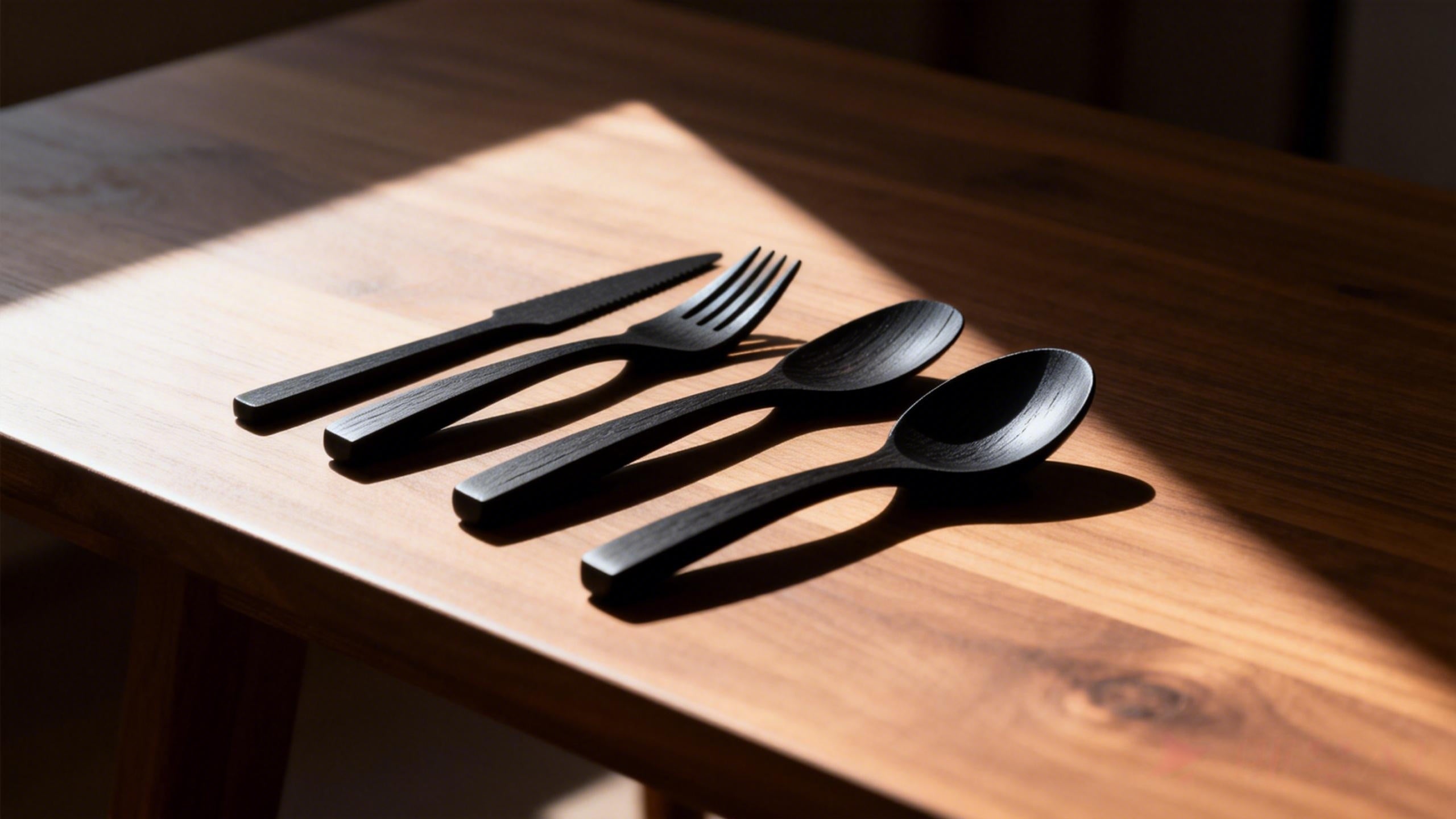
Wooden tableware has seen a massive resurgence in modern homes—but many people still ask the same fundamental question: Is wooden tableware truly safe for daily use?
The short answer is a resounding yes. When crafted properly and maintained correctly, wooden tableware is not only safe but often healthier, more hygienic, and more sustainable than plastic or low-quality metal alternatives. In this comprehensive guide, we will explore the material science, health benefits, and everyday practicality of wooden plates, bowls, and utensils to help you decide if they belong at the center of your dining table.
01 Why People Question the Safety of Wood
Concerns around wooden tableware often stem from a lack of familiarity with how organic materials interact with food. Compared to the "sterile" look of ceramic or the non-porous feel of stainless steel, wood feels porous and "alive." This leads to three common worries:
-
Bacteria Trapping: Does the grain hide microscopic germs?
-
Moisture Absorption: Will it rot or grow mold if used for soup or salad?
-
Chemical Leaching: Are the finishes used to make it look shiny safe to ingest?
Research and centuries of traditional use across Asia, Scandinavia, and Africa prove that these concerns are easily managed. When wood is harvested from food-grade hardwoods and treated with natural oils, it becomes one of the most reliable materials in the kitchen.
02 The Health Benefits: A Non-Toxic Dining Experience
In an era of rising concern over microplastics and endocrine disruptors, wood offers a "clean" alternative that synthetic materials simply cannot match.
Naturally Non-Toxic and BPA-Free
High-quality wooden tableware is typically fashioned from dense hardwoods like Acacia, Beech, Maple, or Jujube. Unlike plastic tableware, which can release Bisphenol A (BPA) and phthalates when exposed to hot acidic foods (like tomato sauce or lemon dressings), wood is chemically inert. It does not "leach" synthetic compounds into your meals, making it the safest choice for:
-
Daily family dinners where heat is involved.
-
Toddlers and children who may chew on spoons or bowls.
-
Elderly users who require lightweight, non-slip surfaces.
Gentle on the Senses and the Body
Wooden bowls and spoons provide a tactile softness that metal cannot. Using wood reduces the risk of chipped tooth enamel and prevents gum irritation. Furthermore, wood is a natural insulator; it keeps your food warm while remaining cool to the touch, preventing accidental burns on the hands or lips.
03 The Hygiene Debate: Is Wood More Sanitary Than Plastic?
It is a persistent myth that plastic is more hygienic because it is "smooth." In reality, material science tells a different story.
The Antibacterial "Wicking" Effect
Studies from the University of Wisconsin and other institutions have shown that wood has natural antimicrobial properties. When bacteria land on a wooden surface, they are drawn into the grain by capillary action. Once trapped inside the dry wood fibers, the bacteria are deprived of oxygen and moisture, leading them to die off quickly.
Plastic’s Hidden Danger
In contrast, plastic develops "micro-scratches" from knives and forks over time. These tiny grooves are deep enough to hide bacteria but too small for dishwasher jets to reach effectively. Consequently, an old plastic bowl can harbor more pathogens than an old wooden one.
Wooden Tableware is Hygienic When:
-
It is crafted from solid, non-toxic hardwood.
-
It is towel-dried immediately after washing.
-
It is stored in a well-ventilated area to allow the grain to "breathe."
04 Everyday Practicality: Bowls, Plates, and Chopsticks
Wooden Bowls
Perfect for "One-Bowl" meals like Buddha bowls, pasta, and salads. Because wood doesn't vibrate or "clink" like ceramic, it creates a much quieter, more mindful dining atmosphere.
Wooden Chopsticks and Spoons
Wood provides a superior grip compared to slippery plastic or heavy metal. In many Asian cultures, wooden chopsticks are the daily standard because they don't transfer a metallic taste to delicate foods like rice or tofu.
Wooden Plates and Serving Trays
Ideal for dry and semi-dry foods such as artisanal breads, cheeses, and grilled proteins. While they can handle moisture, they excel as "frontline" serving pieces that add a rustic, high-end feel to the presentation.

05 The "Checklist" for Daily Safety and Maintenance
Safety is a result of how you treat the material. To keep your wooden tableware in peak condition, follow this professional maintenance routine:
The Daily Cleaning Ritual
-
Hand Wash Only: The intense heat and high-pressure water of a dishwasher will cause wood to swell and crack.
-
Mild Soap: Use a gentle, pH-balanced dish soap.
-
Dry Immediately: This is the most important step. Use a clean cloth to remove surface water, then stand the item upright to air-dry completely.
The Monthly "Spa Day"
Every 4–6 weeks, apply a thin layer of food-grade mineral oil or a beeswax conditioner. This "seals" the grain, making it hydrophobic (water-repelling) and preventing the wood from becoming brittle or gray.
06 Sustainability: Safe for You, Safe for the Planet
Choosing wooden tableware is a vote for a plastic-free future.
-
Renewable Resource: Trees can be replanted; petroleum-based plastics are finite.
-
Carbon Sequestration: Wood stores carbon dioxide, helping to mitigate your household’s carbon footprint.
-
Biodegradability: At the end of its life—usually after 10 to 20 years of faithful service—a wooden bowl will return to the earth as compost, rather than becoming microplastic pollution in our oceans.
07 Frequently Asked Questions (FAQ)
Q: Can I put hot soup in a wooden bowl? A: Yes! High-quality hardwoods handle heat beautifully. Just ensure you don't leave the liquid sitting in the bowl for hours after you've finished eating.
Q: Does wood absorb the smell of food? A: If the wood is properly oiled, it creates a barrier that prevents odors from soaking in. If a scent does linger (like garlic), simply rub the surface with a lemon half and some coarse salt.
Q: Is it safe for the microwave? A: No. The rapid heating of the water molecules inside the wood fibers can cause the bowl to crack or even catch fire. Always transfer food to a ceramic dish for reheating.

Final Verdict: Why Wood Wins
Yes—wooden tableware is exceptionally safe for daily use. When you choose food-grade wood and commit to a simple hand-washing routine, you are rewarded with a dining experience that is warmer, quieter, and entirely free of synthetic chemicals.
Beyond the safety metrics, wooden tableware offers an emotional connection to nature that "perfect" factory-made items lack. It is a timeless choice that supports both a healthy body and a healthy planet.
Ready to upgrade your daily dining?
👉 [Explore the Oakory Collection of Handcrafted Wooden Tableware] 👉 [Shop Our Sustainable Bowls, Plates, and Utensils]


