

Cart
0
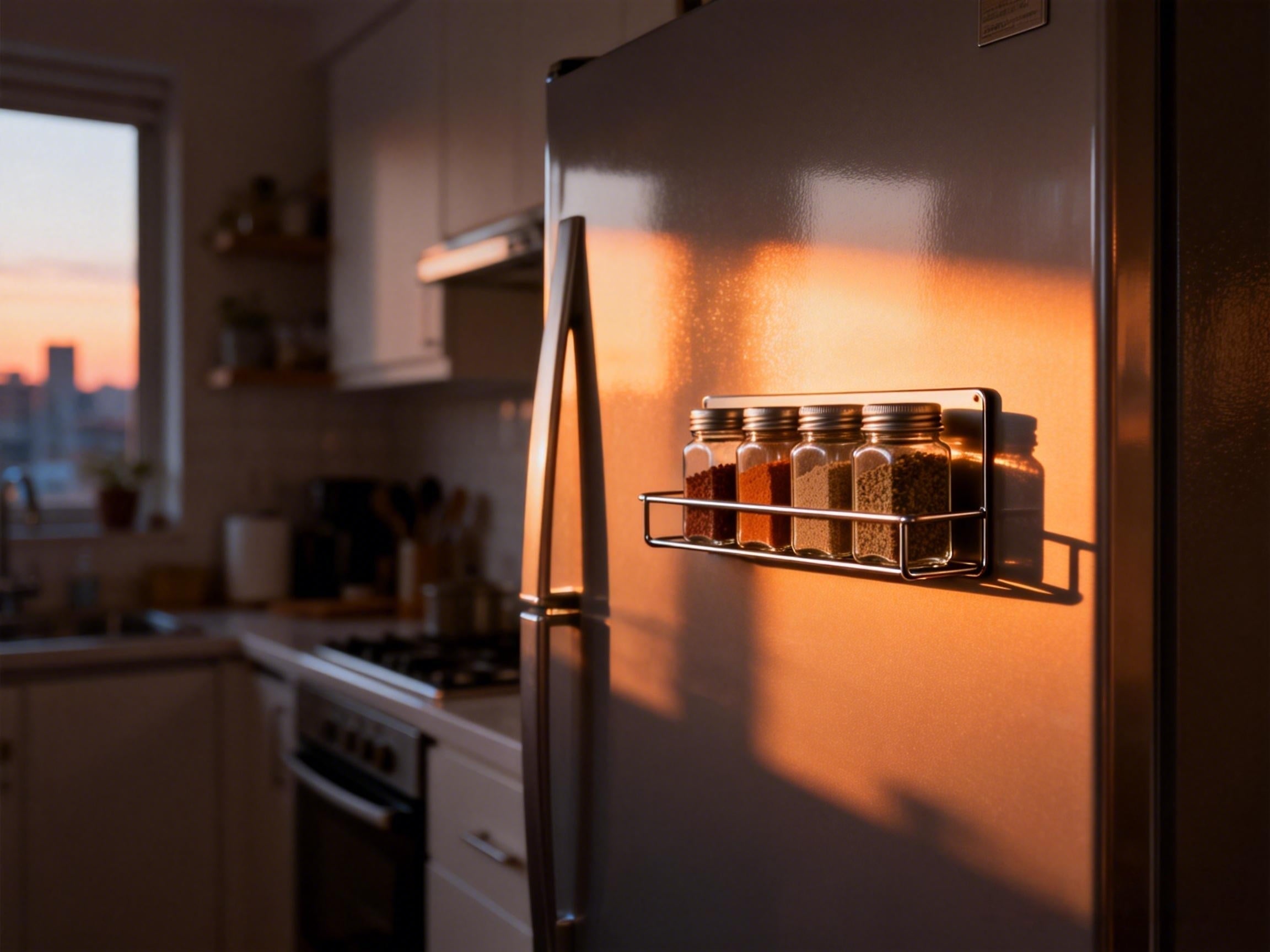
Modern kitchens are filled with innovation—nonstick coatings, smart appliances, and synthetic composites designed for maximum efficiency. Yet, despite all this technological progress, many people are quietly returning to something older and simpler: natural materials.
Wooden utensils, stone countertops, ceramic bowls, and clay cookware are not just aesthetic choices. They shape how cooking feels, sounds, and even how we move in the kitchen. In ways that technology often overlooks, natural materials improve the cooking experience by reconnecting us with rhythm, touch, and intention. This article explores why natural materials matter, and how they quietly elevate everyday cooking into a mindful ritual.

01 Cooking Is a Sensory Experience, Not Just a Task
Cooking engages more senses than almost any other daily activity. It is a symphony of the resistance of a spoon against a heavy pan, the crisp sound of a knife on wood, and the radiating warmth of a ceramic bowl in your hands. Natural materials excel because they work with these senses instead of overwhelming them with the "clinical" feel of metal or plastic.
The Warmth of Wood
Unlike metal or plastic, wood is a poor conductor of heat but an excellent "holder" of it. It adapts quickly to the temperature of your hand, making repetitive motions—like stirring a thick risotto or whisking a sauce—feel gentler and more intuitive. Wood feels "alive," whereas synthetic materials feel static and cold.
Stability of Stone and Ceramic
Heavier natural materials, such as stone mortars or ceramic mixing bowls, provide a physical confidence. They don’t slide across the counter during vigorous work. This weight creates a sense of stability and groundedness, allowing you to focus on the ingredients rather than chasing your bowl around the workspace.
02 Better Touch Leads to Better Control: The Science of Feedback
One of the most overlooked aspects of cooking is tactile feedback. This is the information your brain receives through your hands about the texture and resistance of the food you are preparing.
-
Subtle Flex: Wooden spoons flex slightly when they hit the bottom of a pot. This allows you to "feel" the thickness of a soup or the caramelization of onions without the jarring impact of metal on metal.
-
Heat Regulation: Wooden handles don’t transfer heat aggressively. You can leave a wooden spoon in a simmering pot without the risk of burning your hand when you grab it ten minutes later.
-
Surface Interaction: Clay and ceramic surfaces soften the contact with food. This reduces the likelihood of over-handling delicate ingredients, preserving their structural integrity and flavor.
03 Visual Calm: Reducing Cognitive Fatigue in the Kitchen
Kitchens today are often visually "loud"—filled with high-gloss chrome, reflective glass, and bright plastics. This creates a high-glare environment that can lead to subtle visual fatigue over time.
Wood Grain and Earth Tones: The natural, irregular patterns of wood grain are easier on the human eye. The brain doesn't "lock onto" these patterns the same way it does with repetitive artificial textures. Earthy tones from stone and ceramic live in the same color family as the food itself—vegetables, grains, and meats. When your tools and your ingredients belong to the same visual palette, the space feels harmonious, supporting better focus and calmer decision-making.

04 Mindful Cooking: From Transactional to Intentional
When tools feel disposable, the act of cooking feels transactional—just another chore to complete as quickly as possible. However, when your tools feel crafted from the earth, the process becomes intentional.
Natural materials are unique because they age instead of deteriorating.
-
Wood darkens and becomes smoother with use, absorbing the history of your kitchen.
-
Ceramic develops a subtle "crazing" or character over decades.
-
Stone carries small marks of use that tell a story.
These signs of use create a psychological "emotional attachment." When you care for your tools by oiling your wood or hand-washing your ceramics, you naturally begin to cook with more care and presence.
05 Practical Safety: Beyond the Aesthetic
From a purely functional standpoint, natural materials offer significant safety and health advantages over their synthetic counterparts:
-
Non-Reactive Nature: Wood is naturally non-reactive, meaning it won't change the flavor profile of acidic foods like tomatoes or citrus.
-
No Microplastics: As plastic utensils wear down, they shed micro-particles into your food. Natural wood and stone don't pose this risk, providing peace of mind in high-heat environments.
-
Heat Distribution: Clay and ceramic are famous for their "thermal mass," distributing heat evenly and slowly, which prevents hot spots and scorched food.
06 Sustainability: Tangible vs. Performative
In 2026, sustainability is no longer an abstract concept—it’s a daily choice. Natural materials make sustainability tangible. A wooden spoon is renewable and eventually biodegradable. Stone and clay are minimally processed compared to the complex chemical soups required to create high-tech polymers. Because these tools are durable and repairable, they stay in your kitchen for decades rather than ending up in a landfill every two years.

07 Frequently Asked Questions (FAQ)
Q: Are natural materials harder to maintain? A: Not necessarily. While they require different care (like hand-washing instead of dishwashing), the process is simple. Oiling a wooden board once a month takes less than two minutes but can preserve the tool for twenty years.
Q: Can natural materials handle modern high-heat cooking? A: Absolutely. Stone and ceramic are designed to withstand extreme temperatures. Wood is naturally heat-resistant and won't melt like plastic or silicone if it accidentally touches a hot burner.
Q: Do natural materials harbor more bacteria? A: Scientific studies on wood have shown that its porous nature actually pulls bacteria away from the surface and kills it as the wood dries. When properly cleaned, natural materials are just as hygienic as synthetic ones.

Final Thoughts: Small Choices, Big Differences
Natural materials don’t dramatically change how food tastes—but they change how cooking feels. They soften motion, calm the senses, and quietly remind us that cooking is a human act, not a mechanical one. In a world obsessed with speed and perfection, natural materials invite us back to something more enduring: comfort, intention, and connection.
👉 [Explore Oakory’s Collection of Natural Wood Utensils] 👉 [Shop Sustainable Ceramic and Stone Kitchenware]

