

Cart
0
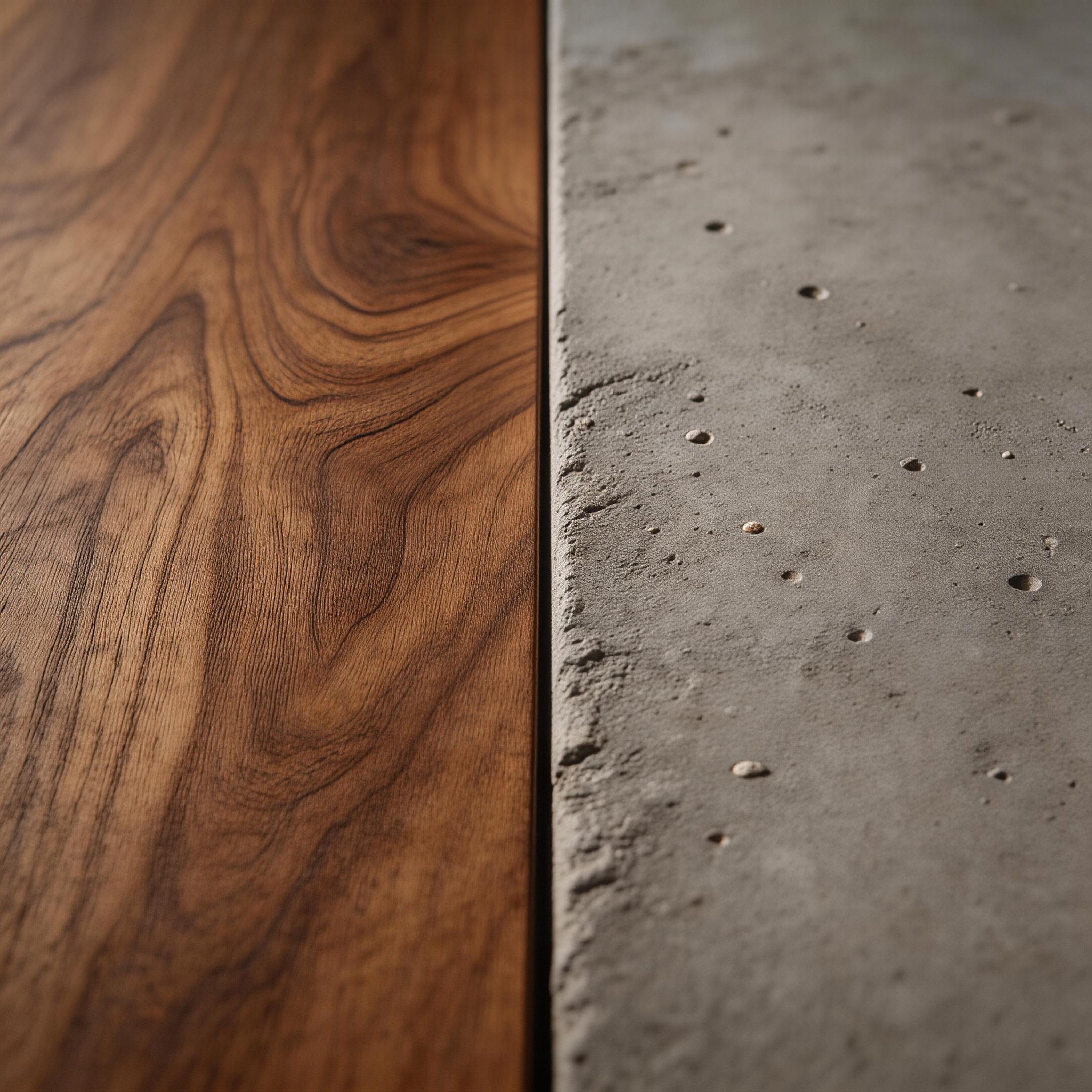
Over the past decade, modern kitchen design has often been dominated by sleek minimalism, high-gloss surfaces, stainless steel appliances, and cool-toned marble. While these choices create a clean, polished, and "Instagrammable" look, they often lack the emotional warmth and personality that make a kitchen feel like the true heart of a home.
As we move into 2026, a new design movement has taken center stage: "Warm Modernism." This trend brings natural wood back to the forefront, not as an old-fashioned relic, but as a vital design language. Natural wood balances the cool precision of modern technology and injects soul into the most important space in your house. Here is why natural wood is essential for the future of kitchen design.

01 The Perfect Balance: Texture vs. Geometric Precision
Modern kitchens often emphasize sharp geometric lines and flat, planar surfaces. While efficient, this can sometimes result in a space that feels rigid, sterile, or even clinical. Natural wood offers a necessary "visual soft-landing."
Contrast and Depth
Pairing natural wood with matte black cabinetry or white quartz countertops creates a striking visual tension. The organic curves of wood grain soften the sharp angles of a kitchen island or a stainless steel range hood, making the space more approachable and inviting.
Unique Fingerprints
Unlike mass-produced synthetic laminates, every piece of wood is a one-of-a-kind masterpiece. The specific knots, growth rings, and subtle color variations act as "natural fingerprints," adding a layer of personalized luxury that machine-made materials simply cannot replicate. In a world of digital perfection, the "wabi-sabi" (beauty in imperfection) of wood feels grounded and authentic.

03 Enhanced Acoustic Performance: Creating a Calm Environment
Modern kitchens are filled with hard, reflective surfaces: tile floors, glass windows, and stone counters. These materials cause sound to bounce, creating unwanted echoes that can make a dinner party feel noisy or a morning coffee feel frantic.
Natural Sound Absorption: Wood’s porous cellular structure naturally dampens sound. By incorporating wooden elements—such as slatted ceiling panels or solid wood cabinetry—you can significantly reduce the clattering of dishes and conversational echoes. This results in a calmer, more "social-friendly" environment where voices carry clearly and the background noise of appliances is muffled.
04 Biophilic Design: The Psychological Impact of Wood
With global environmental awareness at an all-time high, the shift toward Biophilic Design (design that connects humans to nature) is more than just a trend—it’s a wellness necessity.
-
Stress Reduction: Scientific studies consistently show that the presence of natural materials like wood in indoor environments can lower heart rates and reduce cortisol (stress) levels.
-
Carbon Storage: Unlike synthetic materials that have high carbon footprints from chemical manufacturing, wood naturally stores carbon. Choosing FSC-certified (Forest Stewardship Council) wood is a tangible way to make your kitchen remodel a win for the planet.
-
Tactile Connection: There is a subconscious satisfaction in touching wood compared to cold metal or plastic. This tactile connection enhances the cooking experience, making it feel more mindful and grounded.

05 Versatile Style Adaptability: From Scandi to Industrial
Natural wood is incredibly versatile and can be tailored to any modern aesthetic:
-
Scandinavian Minimalism: Light Ash, Maple, or Birch paired with white tones and hidden handles creates a minimal, airy, and "hygge" feel.
-
Industrial Modern: Reclaimed wood with black metal frames and exposed brick creates a rugged, "loft-style" aesthetic that feels both raw and refined.
-
Modern Luxury: Darker woods like Walnut or stained Oak, combined with brass hardware and deep-toned marble, instantly add depth, drama, and a sense of "quiet luxury."
How to Incorporate Wood into Your Existing Kitchen
You don't need a full renovation to benefit from the warmth of wood. Consider these subtle but transformative additions:
-
The Statement Island: Keep your perimeter cabinets white or gray, but use a thick wooden butcher block or wood-faced paneling for the central island. It becomes an instant focal point.
-
Floating Wooden Shelves: Replace heavy upper cabinets with open wooden shelves. This improves the spatial flow and allows you to display beautiful ceramics against the warmth of the wood grain.
-
High-Quality Utensils and Boards: Even if you can't change your cabinets, using artisan wooden cutting boards and utensil sets provides those essential "pops" of organic texture on your countertops.

Frequently Asked Questions (FAQ)
Q: Does wood harbor more bacteria than plastic? A: No. Scientific research has shown that wood fibers have natural antimicrobial properties that can "trap" and kill bacteria, whereas bacteria can often thrive in the deep knife scars of plastic surfaces.
Q: Is wood a fire hazard in the kitchen? A: While wood is flammable, modern kitchen wood is treated and dense enough that it does not pose a significantly higher risk than other materials when standard safety distances from heat sources are maintained.
Q: How do I prevent wood from warping near the sink? A: Proper sealing is key. Using a food-safe, water-resistant finish and ensuring that water isn't allowed to "puddle" on the surface will keep the wood stable for years.
Conclusion: A Fusion of Function and Emotion
Combining natural wood with a modern kitchen design is more than a simple aesthetic choice—it’s a fusion of high-performance function and deep human emotion. Wood transforms the kitchen from a cold, utilitarian "cooking lab" into a warm, lively heart of the home. It is where cooking feels enjoyable, social gatherings feel more intimate, and life feels a bit more connected to the natural world.
Are you planning a kitchen remodel? Ensure your space remains timeless, elegant, and full of life by embracing the soul of natural wood.
👉 [Explore Oakory’s Collection of Natural Wood Kitchen Essentials] 👉 [Discover Sustainable Design Tips for 2026]

