

Cart
0
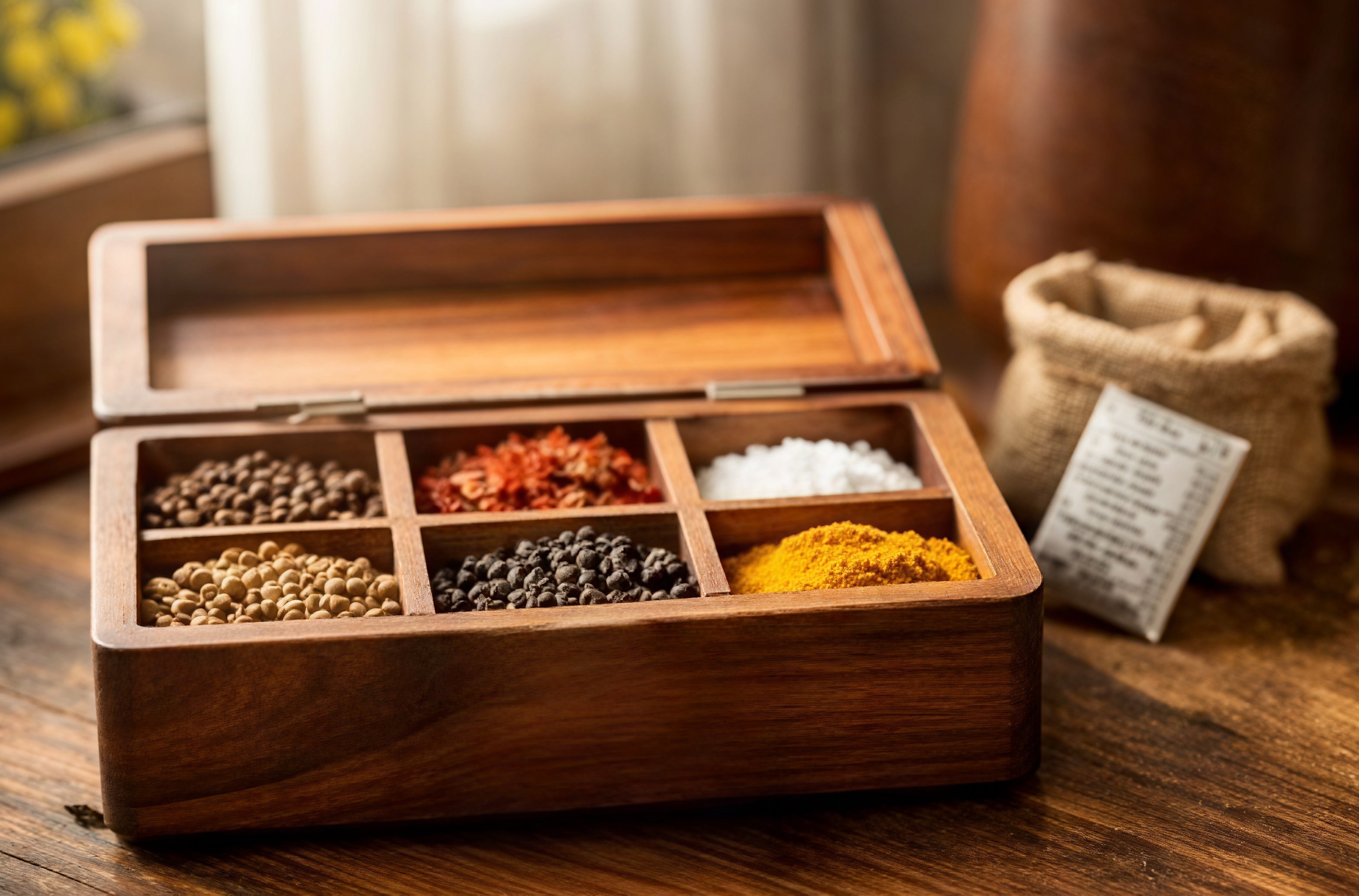
Wooden spice containers are not the problem—improper storage habits are. By understanding the unique “breathing” nature of wood, you may discover that it can actually become your best ally in preserving the delicate aroma, volatile oils, and freshness of your kitchen collection.
Imagine the morning sunlight slanting across your kitchen as you open an elegant wooden spice box, ready to sprinkle fresh black pepper over breakfast. As your fingers touch the lid, a quiet doubt arises: Can wooden boxes really protect my precious spices? Will they secretly absorb moisture and cause clumping? Behind this question lies a fascinating intersection of material science, kitchen microclimates, and traditional wisdom. To truly master spice storage, we need to look closer at how wood interacts with the air around it.
01 The Scientific Relationship Between Wood and Moisture: "Balancing" vs. "Blocking"
To understand whether wooden spice boxes absorb moisture, it’s essential to recognize that wood is a hygroscopic material. Its cellular structure is made up of countless microscopic tubes and pores, allowing it to naturally absorb or release moisture depending on environmental humidity.
The Buffer Effect
The key point is this: wood tends to stabilize its internal microclimate. This is known as the Buffering Effect.
-
In Humid Conditions: High-quality wood absorbs excess moisture from the air before it reaches the spices.
-
In Dry Conditions: Wood releases a trace amount of stored moisture, preventing spices from becoming overly brittle or losing their essential oils too quickly.
By contrast, fully sealed glass or metal containers block external humidity entirely, but they also prevent air exchange. Temperature fluctuations (common near a stove) can cause condensation inside glass jars, potentially exposing spices to sudden moisture spikes. According to research, maintaining a relative humidity range of 55%–65% is optimal for dried spices—a range that properly treated wood helps maintain naturally.
02 Choosing the Right Wooden Spice Box: Material Science
Not all wooden spice boxes offer the same storage performance. The density and resin content of the wood play a massive role in how it handles the kitchen environment.
1. Hardwood vs. Softwood
-
Hardwoods (The Winners): Cherry, Walnut, Maple, and Beech have dense cellular structures and smaller pores. This offers superior natural moisture resistance and ensures the box doesn't warp easily.
-
Softwoods (The Risks): Pine and Cedar have larger pores and higher moisture exchange rates. They also carry strong natural scents (like resin or turpentine) that can migrate into your spices, altering their flavor.
2. The Importance of Food-Safe Sealing
A high-quality wooden spice box is never "raw" wood. It should be treated with:
-
Natural Beeswax: This creates a physical barrier that slows down moisture absorption while maintaining the wood's breathability.
-
Food-Grade Mineral Oil: Penetrates deep into the fibers to keep them supple and prevent cracking.
03 The Golden Rules of Spice Storage: A Dual-Layer System
A wooden spice box is only one part of the solution. To keep your spices vibrant for years, you need a "Warehouse vs. Frontline" strategy.
The "Warehouse" (Bulk Storage)
Keep your bulk supply in airtight glass jars or vacuum-sealed bags. Store these in a cool, dark, and dry pantry. Light and heat are the primary enemies of spice potency, breaking down the chemical compounds that provide flavor.
The "Frontline" (Daily Use)
Keep only 2–4 weeks' worth of spices in your wooden spice box on the countertop. This ensures a high turnover rate—you are always using fresh spices, and the wood only has to manage a small amount of material at a time.
Strategic Placement
Location is everything. Ensure your wooden spice box is:
-
At least 1 meter away from the steam of the stove or dishwasher.
-
Away from direct sunlight (which can "bake" the wood and spices).
-
Off the damp surface of a stone countertop (using a small wooden tray or "feet" on the box).
04 Advanced Care and Seasonal Maintenance
With proper care, a handcrafted wooden spice box can become a lifetime kitchen companion.
Monthly Deep Cleaning
Once a month, empty the box entirely. Wipe the interior with a slightly damp soft cloth to remove fine spice dust, then dry it immediately. Never soak wood in water, as this will cause the fibers to swell and ruin the precision fit of the lid.
Seasonal Adjustments
-
During Rainy Seasons: If you live in a high-humidity area, consider placing a small food-safe silica gel packet inside the box (not in direct contact with the spices) to assist the wood in moisture management.
-
During Dry Winters: If your home heating makes the air very dry, apply an extra coat of beeswax to the exterior of the box to prevent the wood from shrinking or cracking.
05 Monitoring Quality: Signs Your Spices Need Refreshing
Regardless of the container, you should perform a "Sensory Check" every few weeks:
-
Visual: Are the colors vibrant? Fading signals light damage.
-
Aroma: Crush a small amount in your palm. If the smell is dusty or weak, the volatile oils have evaporated.
-
Texture: Spices should be free-flowing. If they form hard lumps that don't break with a gentle tap, they have been exposed to excessive moisture.
Why Wood is the Sustainable Choice
Choosing wooden kitchenware is a step toward a plastic-free home. Wood is renewable, biodegradable, and carbon-sequestering. Beyond the science of moisture, there is an emotional value: wood ages beautifully, gaining a story and a soul that plastic can never replicate.
👉 [Explore our Artisan Wooden Spice Box Collection] 👉 [Discover Sustainable Kitchen Essentials by Oakory]
Final Thoughts
Caring for wood is an act of intentionality. By choosing the right materials and following a simple maintenance routine, your wooden spice box won't just "hold" your spices—it will protect their essence, making every meal you cook more vibrant and flavorful.

